From Leather to Synthetic: The Materials Behind a Sporting Ball
Sporting ball materials affect grip, feel and care. Learn how covers, bladders and inner layers suit different sports, surfaces and playing conditions.
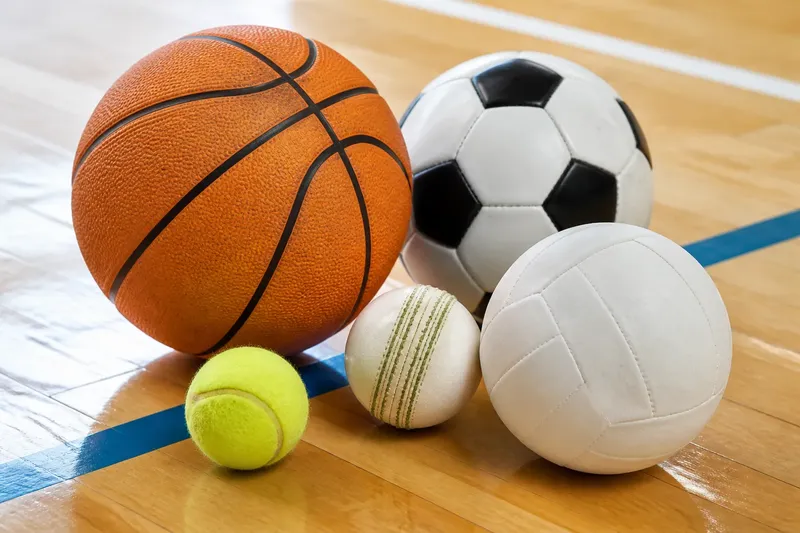
At a sports shop, one ball feels soft under your thumb while another has a firm, pebbled surface. Sporting ball materials help explain those differences: the cover, inner layers and air chamber work together, so the material name alone cannot tell you how a ball will feel in play.
Ball construction
Most sporting balls have an outer cover and some form of structure beneath it. Depending on the sport and design, the interior may include a winding, textile or foam layers, a rubber bladder, or a solid core.
The cover meets the player and playing surface. The inner construction helps the ball keep its shape and influences how it responds to impact; seams, panel joins and the cover’s texture also contribute to its feel.
Leather covers
Leather can be formed into panels and offers a tactile surface that some players prefer for handling or striking. Natural leather may soften or change as it absorbs moisture, so its feel depends partly on its condition and care.
Leather is a design choice, not a reliable sign of quality by itself. Consider the sport and the conditions where the ball will be used before choosing it for its traditional feel.
Synthetic covers
“Synthetic” describes a broad group of manufactured materials, not one standard surface. Polyurethane and PVC are among the materials used in ball covers, but the finished feel also depends on texture, thickness, panel design and supporting layers.
Some synthetic surfaces are designed to be easy to wipe clean or to cope with damp conditions. That does not make every synthetic ball suitable for every setting: a slick or firm cover may not suit the sport or player. Check the stated purpose rather than relying on the material label alone.
Layers and response
Foam or textile layers can alter softness and how impact is spread. A winding around a bladder can help a ball hold its shape; the bladder contains air and contributes to the ball’s rebound. These parts work together, so a buyer cannot infer comfort from the construction description alone.
Panel joins and seams form part of the surface too. A smooth moulded cover and a stitched panel cover can feel and behave differently, even when both use synthetic material.
Choosing for surfaces
A ball’s stated use is a better starting point than a simple leather-versus-synthetic comparison. Grass, indoor courts and hard playgrounds expose balls to different kinds of contact, and a cover suited to one surface may scuff or feel unsuitable on another.
- Grass or outdoor fields: Check that the ball is labelled for outdoor use. If it is, consider it for that setting; if not, choose one intended for outdoor contact.
- Indoor courts: Check the sport and surface information on the label. If both match your use, assess its grip and firmness; if either is unclear, ask the seller or choose a clearly specified ball.
- Hard playgrounds: Look for a stated use that includes hard ground. If the ball is intended for that surface, consider it; if its label excludes hard ground, select another model.
- Wet conditions: Check the care and surface guidance. If the ball is suitable for damp play, follow its cleaning instructions; if it is not, keep it for dry conditions and choose another ball for wet use.
For formal play, check the sport’s rules and the manufacturer’s instructions. If they specify a particular ball, use one that meets those requirements; if they do not, ask the organiser what is accepted.
Assessing the feel
Compare grip, firmness and texture in relation to the sport. If possible, handle the ball with the footwear or equipment used in play: a cover that feels grippy in bare hands may feel different under a boot or against a racket.
A press or bounce can offer a quick impression, not a complete assessment. If the ball feels uncomfortable or hard to control in the intended activity, try a model designed for that sport or player group; if it feels suitable, check its stated use before deciding.
Common ball questions?
Are leather balls better than synthetic ones?
Neither material is automatically better. Compare the ball’s intended sport, conditions, feel and care needs; choose the one that fits those requirements.
Do synthetic balls last longer?
Durability depends on the cover, construction, surface and care, not just whether a ball is synthetic. Check the stated use and inspect the ball for damage; if the cover is split or the inner layer is exposed, do not use it.
Why do some balls have panels?
Panels let manufacturers shape a cover around the inner structure and create joins as part of the design. Panel layout can affect feel and flight, but if you are choosing a ball, prioritise its stated use over panel count.
Can one ball work indoors and outdoors?
Some balls are intended for more than one setting, while others are designed for a particular surface. Check the label: if it names both settings, consider it for both; if it names only one, choose a separate ball for the other.
Buyer checks
Read the label and inspect the ball before choosing. For each check, use the result to decide whether the ball fits your activity or whether to look for another option.
- Sport and level: Check the sport and player group named on the label. If both match, continue comparing; if either differs, choose a ball intended for your activity.
- Playing surface: Check for the surface where you will play. If it is named, consider the ball for that setting; if it is absent or excluded, select one specified for your surface.
- Construction: Check the cover and any details given for seams or inner layers. If the description suits your needs, compare the feel; if important details are missing, ask the seller or consult the manufacturer’s information.
- Feel: Check grip and firmness by handling the ball as you would in play. If it feels comfortable and controllable, keep it on your shortlist; if not, try a model designed for that activity.
- Care: Check the cleaning and storage instructions. If you can follow them, proceed; if the care requirements do not suit your setting, choose a ball with more suitable instructions.
- Condition: Check for a split cover, exposed inner layer or air loss. If the ball is intact and holds air as intended, consider it; if damaged or unreliable, do not use it and choose another.
Say you are choosing between two hypothetical balls for an indoor school session: Ball A is labelled for indoor court use and has a pebbled synthetic cover; Ball B is labelled for outdoor grass and has a leather cover. First, match each label to the planned court: A fits the stated setting, while B does not. Next, handle A with the footwear used in the session and check whether its grip and firmness feel manageable; if they do, A remains the better match, while discomfort means trying another indoor model. The trade-off is clear: the cover material may influence feel and care, but the stated surface use and the player’s observed handling matter more than choosing leather or synthetic by name.
Sporting ball materials make the most sense when considered alongside purpose, surface and feel. If you are comparing sporting ball materials, begin with the ball’s stated use, then assess how it handles in your setting and whether its care requirements suit you.